
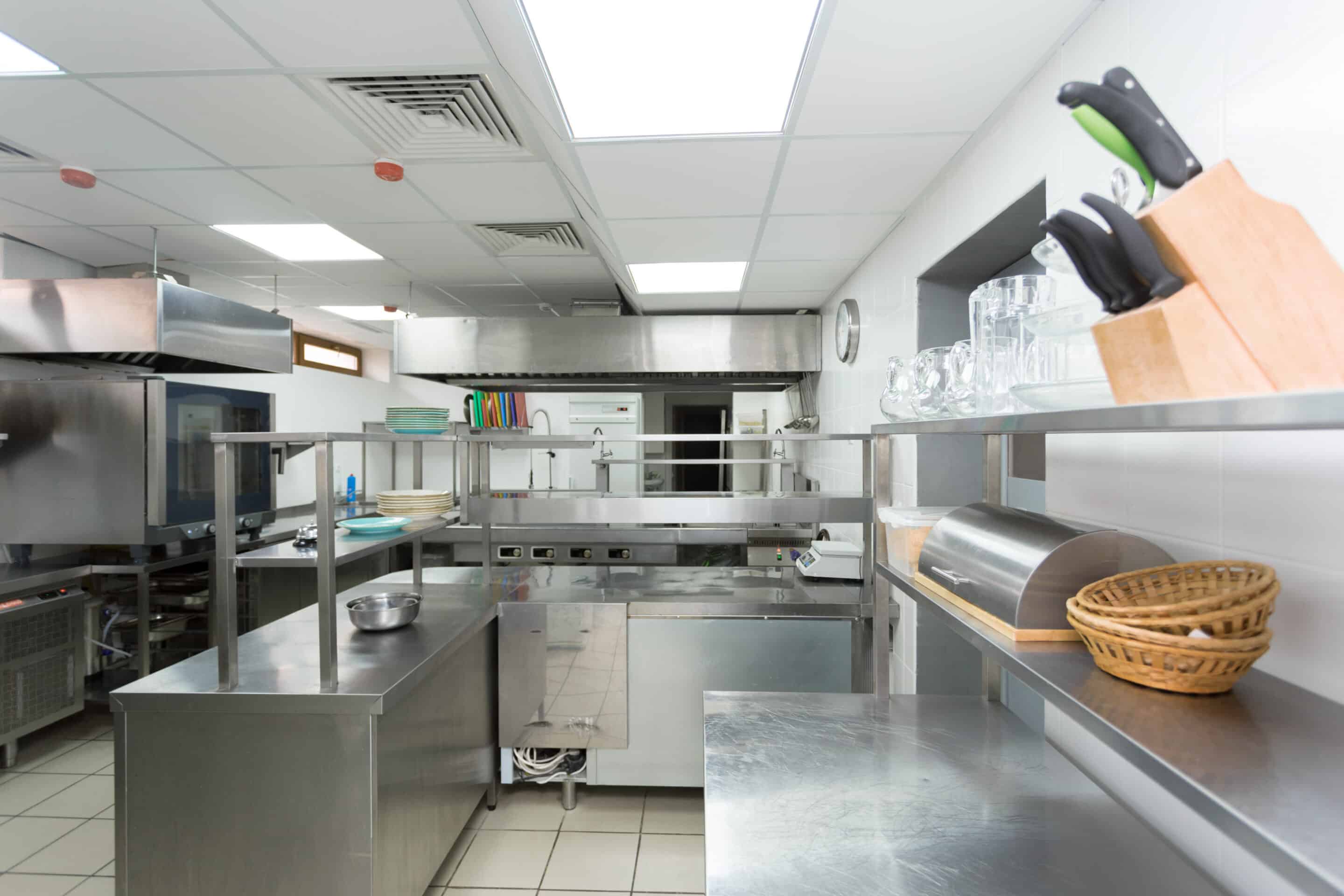
If you’re asking, “What is commercial kitchen?” the short answer is simple: it’s a professional kitchen space designed for preparing, cooking, and storing food in larger volumes than a home kitchen. Commercial kitchens are built to handle high volumes of food, comply with strict food safety regulations, and support chefs, caterers, and food business owners in efficiently creating quality meals. Whether you run a restaurant, cater events, operate a food truck, or need a shared kitchen for delivery services, understanding the types, design, and equipment of a commercial kitchen is crucial to your success.
Toscana Remodeling specializes in planning and remodeling commercial kitchen facilities in Lucas, Allen, Frisco, Dallas, Plano, McKinney, and Fairview to assist food businesses in meeting their objectives safely and efficiently. In this guide, we’ll break down what makes a commercial kitchen unique, the different types available, essential equipment, safety regulations, and tips for choosing the proper kitchen setup for your business.
What Makes a Commercial Kitchen Different from a Home Kitchen?
A commercial kitchen, also called a professional or industrial kitchen, differs from a home kitchen in several key ways:
- Volume and Scale: Commercial kitchens are designed to prepare and serve large quantities of food at once. Home kitchens are built for family meals, while commercial kitchens can handle hundreds of meals per day.
- Kitchen Layout and Workflow: Efficient design is critical. Commercial kitchens use assembly lines and dedicated prep stations to streamline food preparation and cooking.
- Commercial Equipment: Professional ovens, refrigeration units, hood systems, and cooking equipment are built for continuous use and large-scale food production.
- Health and Safety: Licensed commercial kitchens must follow food safety regulations, fire safety rules, and health codes that home kitchens do not.
- Liability and Insurance: Commercial kitchens require liability insurance to protect the business, staff, and customers.

Different Types of Commercial Kitchens
Understanding the type of commercial kitchen you need is key to planning your business. Common types include:
Restaurant Kitchens
- Standard setups for full-service restaurants.
- Includes dedicated areas for food prep, cooking, plating, and dishwashing.
- Needs industrial ovens, refrigerators, hoods, and commercial kitchen equipment.
Catering Kitchens
- Focused on preparing meals for off-site events.
- Often includes multiple prep stations and storage for catering supplies.
- Ideal for businesses offering catering services or food delivery.
Ghost Kitchens or Cloud Kitchens
- Kitchens built solely for food delivery without on-site dining.
- Efficient layouts optimized for quick prep and high-volume orders.
- Perfect for food entrepreneurs and small businesses entering the delivery market.
Shared or Commissary Kitchens
- Multiple food business owners rent licensed commercial kitchens.
- Often used by food trucks, caterers, and small-scale food processors.
- Provides access to professional kitchen facilities without the high overhead of owning a space.
Essential Commercial Kitchen Equipment
Every commercial kitchen relies on professional-grade tools and appliances to maintain efficiency and food safety:
- Ovens and Ranges: Industrial ovens for baking, roasting, and cooking large quantities.
- Refrigeration: Includes freezers, walk-in coolers, and reach-in refrigerators for safely keeping perishable commodities.
- Prep Stations and Work Tables: Stainless steel surfaces for hygiene and easy cleaning.
- Hood and Ventilation Systems: Ensures smoke, heat, and odors are managed for staff safety.
- Dishwashing Stations: Commercial dishwashers for quick cleaning and sanitation.
- Food Processors and Mixers: Speed up prep for sauces, doughs, and large quantities of ingredients.
A well-designed kitchen layout ensures that chefs and kitchen staff can prepare food efficiently, follow health and safety regulations, and maintain a smooth workflow.
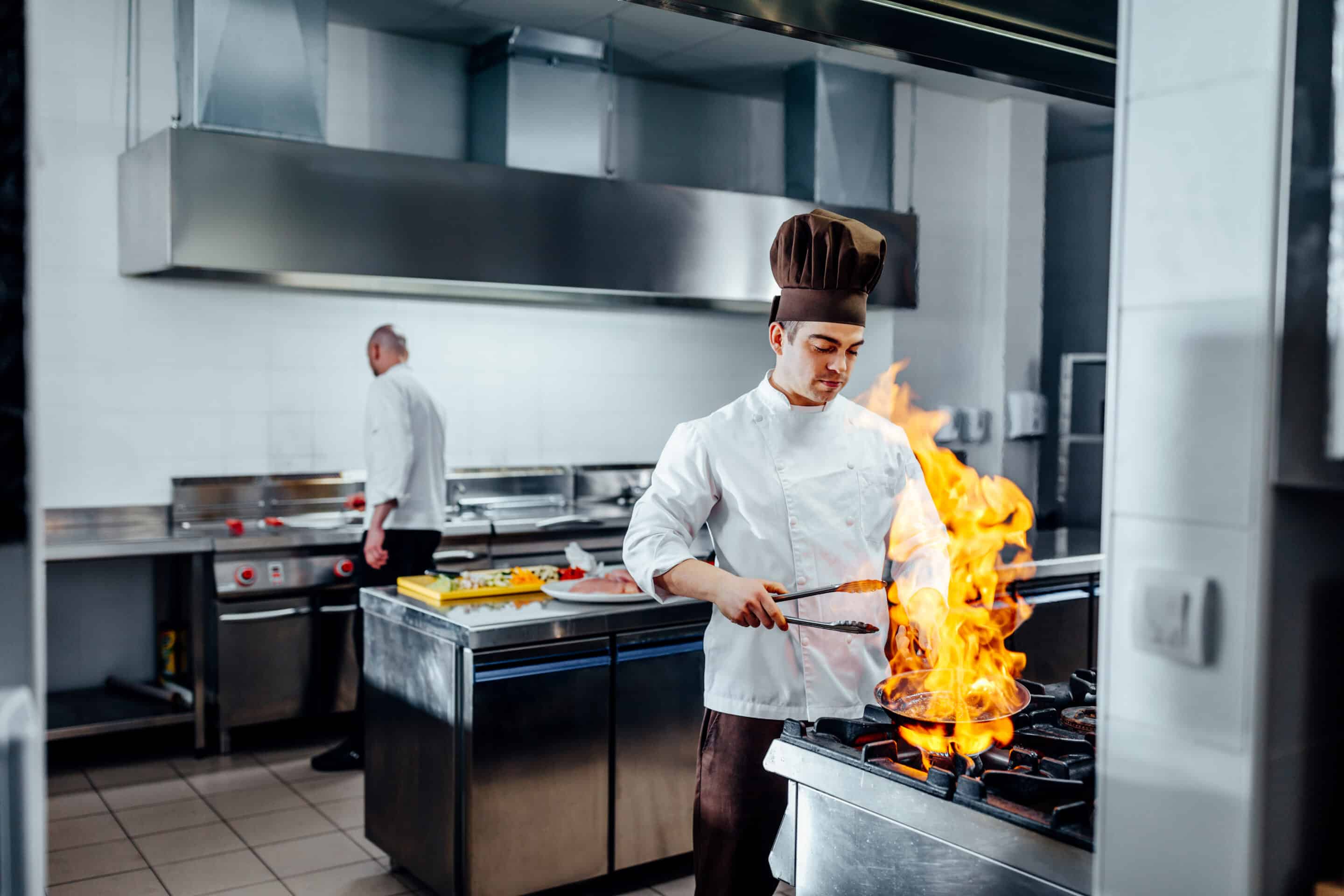
Design and Layout Considerations
When designing a commercial kitchen, several factors affect functionality and compliance:
- Workflow Optimization: Organize stations for prep, cooking, plating, and cleaning to avoid bottlenecks.
- Safety Regulations: Ensure proper spacing, fire suppression systems, and accessible exits.
- Food Safety: Design storage, refrigeration, and prep areas to prevent cross-contamination.
- Flexibility: Plan for different types of food, catering services, or expansion needs.
- Open Kitchens: Some restaurants use open-kitchen designs to enhance the customer experience while maintaining professional standards.
At Toscana Remodeling, we tailor commercial kitchen design to your business type, food production volume, and staff needs, ensuring your space is functional and compliant with all health and safety regulations.
Benefits of a Professional Commercial Kitchen
Investing in a licensed commercial kitchen offers many advantages for food entrepreneurs:
- High-Volume Food Production: Prepare and serve large quantities of food efficiently.
- Compliance with Food Safety Regulations: Minimize risk of contamination and liability.
- Support for Catering Services and Delivery: Great for food trucks, ghost kitchens, and delivery services.
- Shared Use Options: Reduce costs by renting a commercial kitchen or using a commissary kitchen.
- Professional Workflow: Chefs and kitchen staff can work safely and efficiently with the proper layout and equipment.
Renting or Finding a Commercial Kitchen
For small businesses and food entrepreneurs, renting a shared-use commercial kitchen can be a smart solution:
- Cost-Effective: Access professional facilities without the high upfront investment.
- Flexible Scheduling: Rent by the hour, day, or month depending on your needs.
- Compliant Facilities: Licensed kitchens ensure your food business meets local regulations.
Whether you need a commercial kitchen for a ghost kitchen, catering, or food delivery, Toscana Remodeling can help you find or create the right space in Lucas, Allen, Frisco, Dallas, Plano, McKinney, and Fairview.
FAQs About Commercial Kitchens
What classifies as a commercial kitchen?
A commercial kitchen is any licensed kitchen designed for preparing, cooking, and storing food in large quantities for sale or service, unlike a home kitchen meant for personal use.
What is the difference between a commercial kitchen and a home kitchen?
Commercial kitchens are built for high-volume food production, use industrial equipment, follow strict safety regulations, and feature workflow-optimized layouts. Home kitchens are smaller and meant for everyday family cooking.
What is another name for a commercial kitchen?
It may also be called a professional kitchen, industrial kitchen, catering kitchen, or commissary kitchen, depending on its purpose.
Can I operate a food truck in a commercial kitchen?
Yes, many food trucks use shared or commissary kitchens to prepare and store food safely before service.
Do I need liability insurance for a commercial kitchen?
Yes, liability insurance is required to protect your business, kitchen staff, and customers in case of accidents or food safety incidents.
What equipment is essential in a commercial kitchen?
Key equipment includes ovens, refrigeration, prep stations, hood systems, dishwashers, and food processors.
Can I cater large events from a commercial kitchen?
Absolutely. Commercial kitchens are designed to handle large-scale food preparation for catering services, events, and food delivery operations.
Final Thoughts
A commercial kitchen is more than just a cooking space. It’s the backbone of a successful food business. From restaurants and catering kitchens to ghost kitchens and shared-use facilities, the right kitchen design, layout, and equipment ensure efficiency, food safety, and compliance with health regulations.
Toscana Remodeling offers commercial kitchen remodeling and design services to food entrepreneurs and business owners in Lucas, Allen, Frisco, Dallas, Plano, McKinney, and Fairview. Whether you need a licensed commercial kitchen, a custom kitchen layout, or an area for professional kitchen equipment, we help you create spaces that maximize productivity and safety.
Contact us today at (972) 406-8881 to schedule a consultation. Let’s work together to turn your commercial kitchen dreams into reality.
Also Read:
How Can Commercial Remodeling Dallas TX Transform Your Workspace?
Avoid These Common Kitchen Remodeling Mistakes with This Essential Guide
Why Choose Local Contractors for Kitchen and Bathroom Remodeling in Dallas TX?