
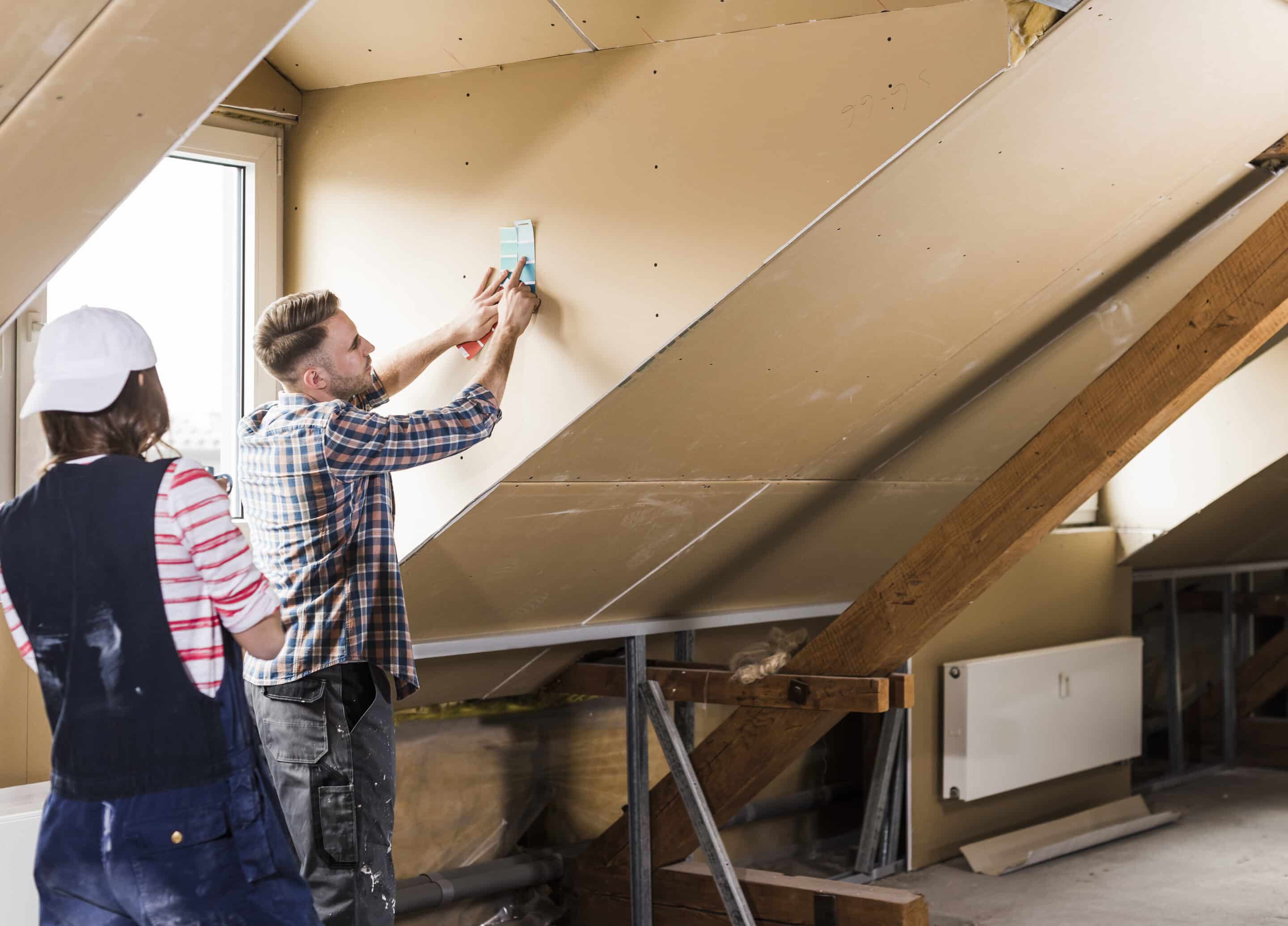
When property owners ask, “What does remodeling a house mean?”, they generally want to understand how physical modifications to their living space will improve daily comfort, spatial functionality, and long-term resale value.
True home remodeling goes far beyond surface-level cleaning or swapping out cosmetic fixtures. It involves making structural alterations to the physical layout, footprint, and architecture so the property aligns with your lifestyle. At Toscana Remodeling, we specialize in transforming standard layouts into custom, high-functioning spaces that match your family’s long-term goals.
The True Definition of Home Remodeling
To fully understand what remodeling a house entails, it helps to look at the project’s physical mechanics. Home remodeling refers to changing the structural form, footprint, or core purpose of a room.
Unlike a simple surface-level upgrade, a comprehensive home remodeling project changes the building’s structural flow and infrastructure. These projects routinely require official building permits, municipal inspections, professional plumbing rerouting, and structural engineering.
Common examples of a structural remodel include:
- Removing load bearing walls to engineer open concept living spaces
- Building room additions to expand the square footage of the property
- Relocating drainage and water lines for structural sink or shower placement
- Altering the framing to completely change a room layout
- Upgrading electrical panels and rewriting circuits for integrated smart kitchen islands
Because these projects change how a house operates, most people focus on the kitchen and bathroom first, as these highly used areas have the greatest daily impact.
Renovation vs Remodeling: Understanding the Difference
Many people search for renovation vs remodeling because the terms are frequently used interchangeably in casual conversation. However, from a licensed contracting standpoint, the two processes yield entirely different structural results and financial budgets.
What is a Home Renovation?
A renovation focuses on updating, restoring, or repairing an existing space without altering its structural layout. The core skeleton of the room stays exactly the same. For example, a kitchen renovation might include installing new quartz countertops, painting existing solid wood cabinets, or replacing old light fixtures. You are restoring the visual appeal without moving anything behind the drywall.
What is a Home Remodel?
Home remodeling means changing the fundamental structure and function of the space. Instead of painting the cabinets, you are tearing down the wall between the kitchen and living room, moving the gas range to a newly constructed central island, and relocating the plumbing to create a walk in pantry.
|
Project Type |
Home Renovation Focus |
Home Remodeling Focus |
|
Structural Scope |
Keeps the original layout intact |
Structural alterations and framing changes |
|
System Mechanics |
Upgrades existing cosmetic fixtures |
Relocates plumbing lines and electrical wiring |
|
Project Depth |
Surface-level updates and aesthetics |
Complete spatial overhaul and floor plan design |
|
Municipal Rules |
Often requires fewer building permits |
Requires strict building code inspections |
Common Home Remodeling Projects Explained
When a home layout no longer supports your family, specific structural overhauls can entirely transform your living experience.
Open Concept Kitchen Remodeling
An expert kitchen remodel focuses on spatial flow and food-preparation efficiency. While a cosmetic kitchen update might stop at new flooring, a deep remodel involves altering the structural floor plan, building custom storage, and repositioning appliances to maximize the workflow triangle.
Structural Bathroom Remodeling
A luxury bathroom remodel centers on footprint optimization and spatial comfort. This type of project frequently includes converting an underutilized bathtub into an expansive walk-in tile shower, adding dual vanities where a single sink existed, and moving privacy walls to maximize comfort.
Whole House Remodeling
For aging properties, a whole-house remodel addresses systemic layout issues. This comprehensive process involves changing entire floor plans, raising ceilings, opening structural walls, and updating all fundamental infrastructure to make an older property feel like a modern build.
[ HOME UPGRADE DECISION PATH ]
|
Is the current layout functional?
/
(YES) (NO)
/
[ RENOVATION ] [ REMODELING ]
– Refresh the surface – Tear down walls
– Paint & resurface – Move pipes & wires
– Swap cosmetic fixtures – Change floor plans
How Remodeling Protects and Increases Property Value
Does remodeling a house increase your overall property value? Yes. While cosmetic renovations offer great short-term visual appeal, deep structural home remodeling projects deliver excellent long-term equity returns because they fix functional obsolescence.
Future buyers pay a premium for properties that have already undergone structural modernization, feature open-concept floor plans, and have professional space planning. Beyond immediate visual appeal, an engineered remodel can boost your home equity, making it easier to leverage a home improvement loan or a home equity line of credit down the road.
Why Working with a Professional Remodeling Contractor is Essential
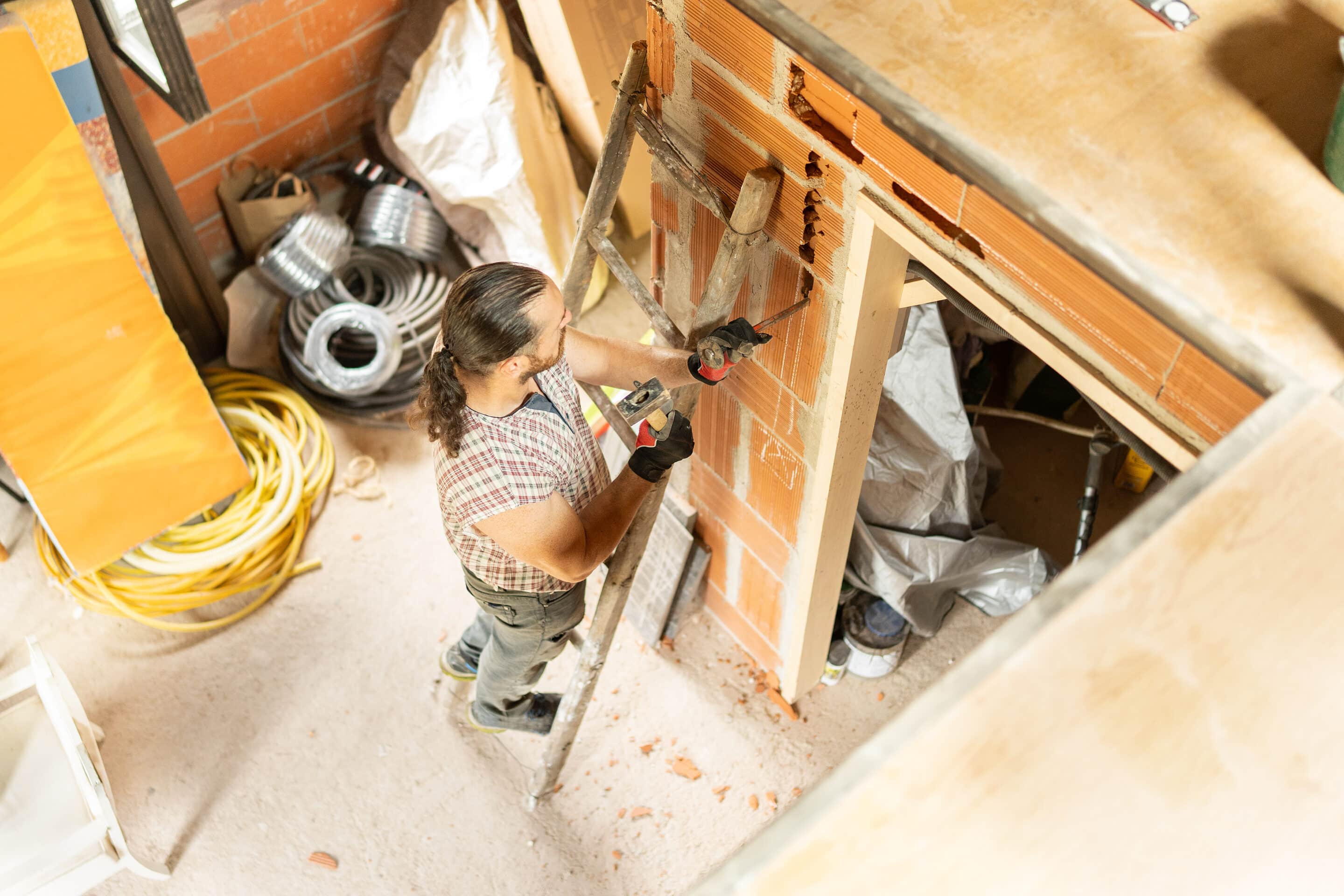
Because authentic home remodeling alters a building’s framing, load-bearing integrity, and mechanical systems, it is not a weekend DIY project. Partnering with a licensed and insured team ensures your home remains structurally sound and legally compliant.
A professional general contractor handles the entire project lifecycle:
- Securing all required municipal building, plumbing, and electrical permits
- Managing skilled trade teams and ensuring workplace safety
- Sourcing high-grade materials and tracking delivery schedules
- Coordinating official city inspections to certify building code compliance
- Mitigating structural risks to avoid expensive structural mistakes later
Frequently Asked Questions
What does it mean to remodel a house?
It means altering the structural layout, spatial functionality, or physical size of a property. Unlike cosmetic updates, it involves changing a room’s architectural footprint.
What is the primary difference between a renovation and a remodel?
A renovation restores or updates the cosmetic appearance of a space without changing its layout. A remodel changes the structural form and function, often involving moving walls, plumbing, and electrical systems.
Does structural home remodeling add more value than a cosmetic refresh?
Yes. Remodeling projects that fix structural layout problems, expand usable square footage, or modernize kitchens and bathrooms typically offer a higher long-term return on investment because they solve functional issues.
How long does a standard home remodeling project take to complete?
Timeline varies based on structural scope. A targeted bathroom remodel may take a few weeks, while an open-concept kitchen overhaul or a whole-house remodel can take several months for design, permitting, and structural construction.
Ready to Upgrade Your North Texas Home?
If you are planning to change your layout, expand your living space, or finally build your dream kitchen, the team at Toscana Remodeling is ready to help. We provide expert home remodeling, premium kitchen design, luxury bathroom overhauls, commercial remodeling, and custom kitchen cabinets engineered for your specific goals.
We proudly serve homeowners across the North Dallas area, including Lucas, Allen, Frisco, Dallas, Plano, McKinney, and Fairview.
Call us today at (972) 406-8881 to schedule your structural consultation and start designing a home that perfectly fits your lifestyle.
Also Read:
How Long Does Remodeling a House Take?
Where to Start Remodeling a Kitchen: Simple Steps to Plan a Successful Kitchen Remodel
Creative Ideas for Interior and Exterior Remodeling Projects