
Homeowners often ask whether design ideas can be provided for a kitchen remodel in Dallas before demolition starts. Yes — and that early design work is what keeps a remodel on budget, on schedule, and aligned with how you actually live. Toscana Remodeling treats design as the foundation of construction, not an optional sketch you tape to the fridge.
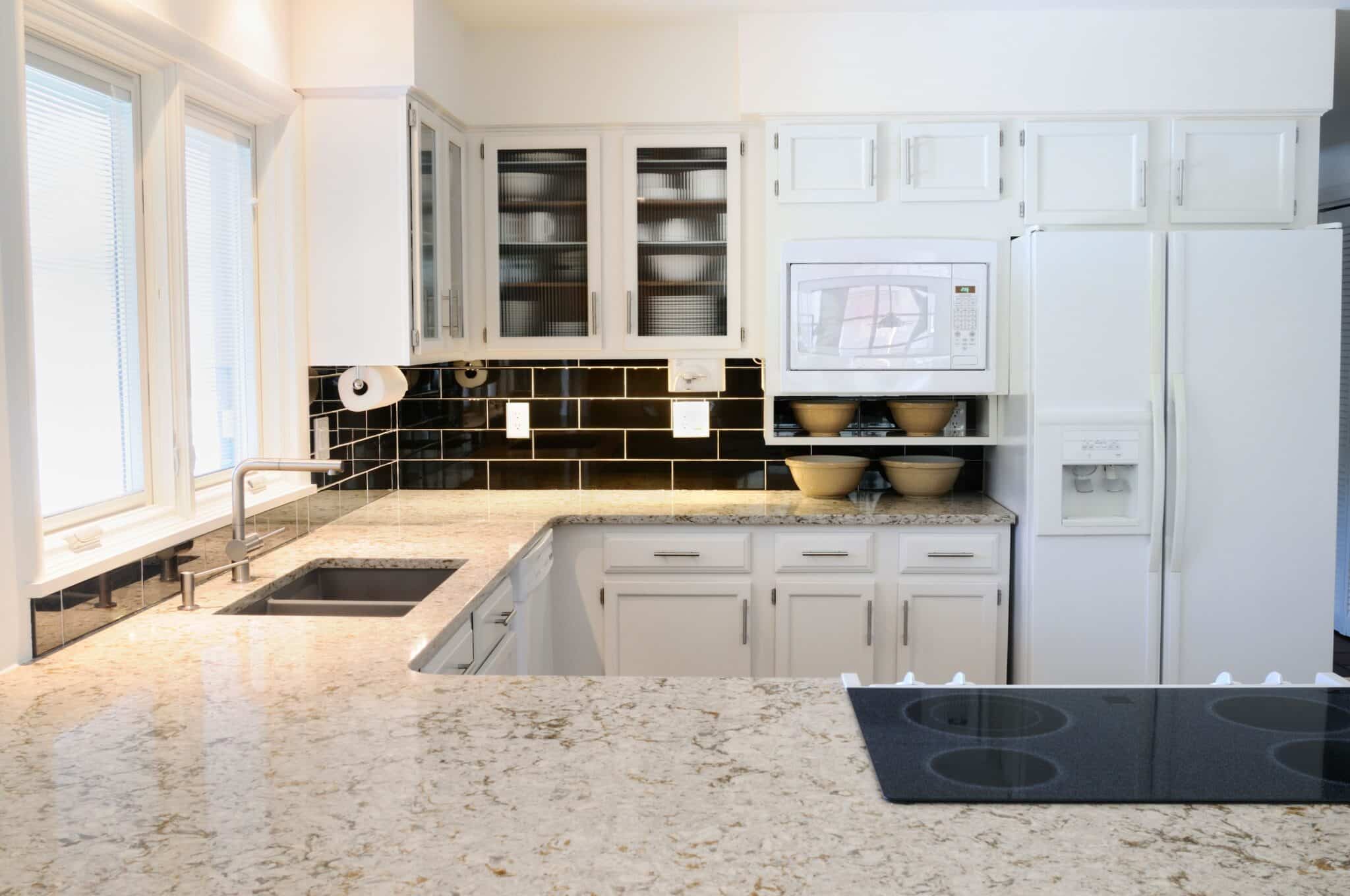
Table of contents
- Why professional design ideas come first
- Step-by-step kitchen design process
- Materials: style meeting durability
- Small kitchens vs. larger open plans
- What you should receive before construction
- How design protects your budget
- Questions to bring to a design meeting
- FAQs
- Talk with Toscana
Why professional design ideas come first
Mood boards inspire; measured design decides. Professional ideas translate photos into cabinet elevations, electrical plans, and finish schedules. That clarity reduces change orders, protects lead times for custom pieces, and helps you compare pricing fairly. Skipping design usually means discovering conflicts after cabinets are ordered.
Design also surfaces trade-offs early: keep the sink where it is to save plumbing cost, or move it for better island seating. Those choices are easier on paper than mid-framing. For a kitchen remodel in Dallas, local housing stock — from compact mid-century plans to newer open volumes — makes this step especially important.
The kitchen design process, step by step
1. Evaluating the architectural footprint
We start with how the room connects to dining and living areas, where load-bearing walls sit, and where plumbing and HVAC already run. Understanding the footprint guides what is realistic without heroic structural work.
2. Mastering workflow and clearances
The classic work triangle is a starting point, not a rigid rule. We check landing space beside the range and fridge, aisle widths for two cooks, and whether doors collide. Good design ideas make daily cooking quieter and safer.
3. Lighting, power, and ventilation
Task lighting over prep zones, ambient fill, and accent layers keep the kitchen usable after dark. We plan outlets where you actually plug in devices and confirm the hood strategy for open concepts so smells do not settle into living spaces.
4. Finish story and sample decisions
Cabinets, counters, flooring, and hardware should tell one coherent story. We narrow options so you are not choosing from dozens of near-identical samples under fluorescent lights at the last minute.

Selecting materials with style and durability
Design ideas should name materials you can live with for years: cabinetry (stock, semi-custom, or custom) with storage mapped to real habits; counters matched to maintenance; backsplashes and flooring chosen for spill resistance and transitions; hardware and fixtures that coordinate without forcing every piece to match identically.
Explore finish direction on our kitchen remodel, custom cabinets, and quartz countertops pages. For idea-stage inspiration that stays practical, see kitchen remodeling ideas for Dallas homes.
Designing for small vs. larger kitchens
Small kitchens benefit from tall storage, reflective surfaces, and disciplined appliance sizes. Larger kitchens need zones — baking, coffee, cleanup — so the room does not feel empty or chaotic. Design ideas should scale to your square footage instead of forcing a catalog layout that looked perfect in a showroom twice the size.
If you want appliance fronts integrated into cabinetry, plan model numbers early. Our post on integrating appliances into kitchen cabinets covers openings, panels, and ventilation notes that affect design drawings.
What you receive before construction
Depending on scope, design deliverables may include measured drawings, cabinet elevations, finish schedules, and a construction sequence. You should understand what is included, what is allowance-based, and which decisions still need your sign-off. That transparency is part of a responsible kitchen remodel process.
Ask how revisions are handled. One or two refinement rounds are normal; endless undecided samples delay millwork and tile orders. A clear decision calendar keeps the project moving.
How design protects your budget
Most budget overruns come from late changes: moving plumbing after drywall, swapping appliances that no longer fit openings, or discovering a load-bearing wall mid-demo. Front-loaded design reduces those surprises. It also helps you prioritize — maybe custom pantry interiors matter more than a second prep sink — so money lands where you feel it daily.
Design does not eliminate every unknown in older homes, but it shrinks the unknown set. When surprises appear, you already have a framework for deciding quickly instead of redesigning under pressure.
Questions to bring to a design meeting
Show up with a short brief: who cooks, how many people use the kitchen at once, must-keep appliances, must-change frustrations, and a budget range you can sustain. Mention pets, accessibility needs, and whether you prefer closed storage or open display. Those details shape design ideas faster than scrolling endless images alone.
Ask how the team handles existing quirks: out-of-square walls, limited attic access, or a panel that cannot support new loads without an upgrade. For a kitchen remodel in Dallas, older homes often hide one of those issues. Design that anticipates them is more valuable than a pretty rendering that ignores them.
Leave the meeting with next steps in writing: what samples you will review, when drawings arrive, and which decisions block ordering. That discipline is how design ideas become a remodel you can actually schedule.
Design ideas vs. shopping lists
A shopping list of faucet models is not the same as design. Design decides where the faucet lives, how the sink relates to the dishwasher, and whether the island overhang needs supports. When clients jump straight to product links, they often discover the pretty faucet does not fit the rough-in or the finish clashes with cabinet hardware already ordered.
Use inspiration as input, then let measured drawings decide. That order is how “can design ideas be provided” questions turn into a kitchen remodel you trust — especially when lead times and inspection schedules leave little room for do-overs.
Frequently asked questions
Can Toscana provide design ideas before I commit to a full remodel?
Yes. We discuss goals, constraints, and concept directions so you can decide on scope with clearer information. Details live on our kitchen design page.
Do I need an independent designer?
Some clients already have a designer; others rely on Toscana’s design-build approach. Either path works when communication stays documented.
How early should appliances be selected?
Earlier than most people expect. Model numbers affect cabinet openings, electrical, and ventilation.
Will design ideas include lighting?
Lighting is part of a usable kitchen plan — not an afterthought once cabinets are installed.
Can design ideas be provided if I only want a refresh?
Yes. Even surface-focused projects benefit from a finish plan and lighting check so the result feels intentional.
If you are interviewing more than one firm for a kitchen remodel in Dallas, compare how each presents design ideas — not only the price line. Ask who draws elevations, how many revision rounds are included, and whether engineering or structural questions get answered before demolition. Clear design ownership is often the difference between a smooth build and a string of mid-project pauses.
Talk through your kitchen remodel in Dallas
If you want design ideas before hammers swing, call (972) 406-8881 or use the contact form. Share how you cook, what frustrates you now, and any inspiration photos — we will help turn them into a remodel plan that fits your home.