
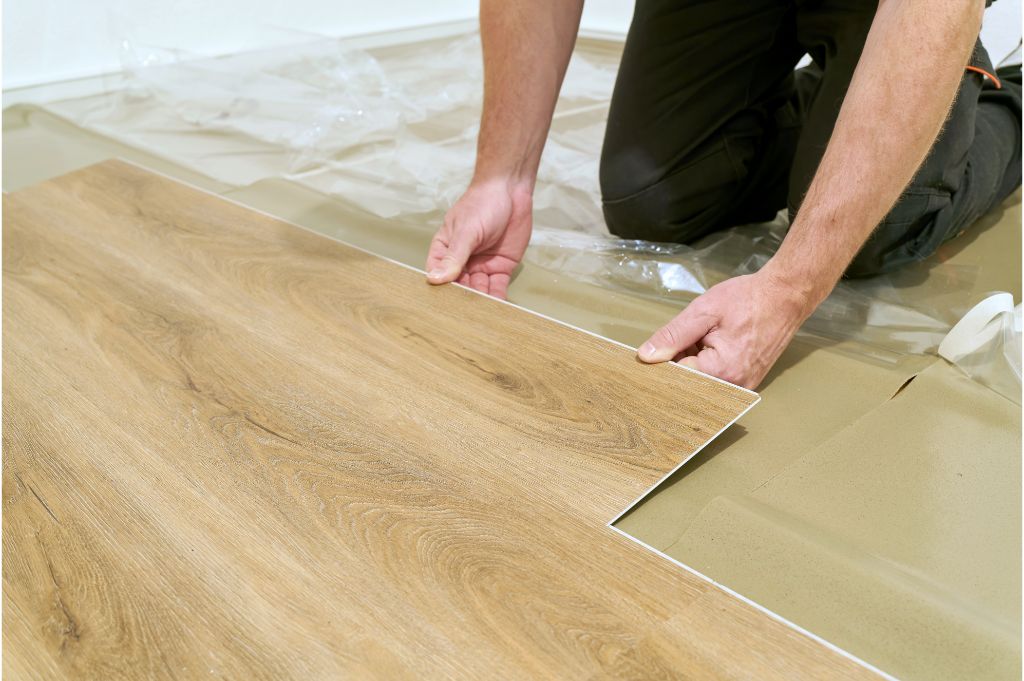
It’s important for you to understand the benefits and drawbacks of vinyl floors before making a decision for your home remodeling. At Toscana Remodeling, we guide you through the pros and cons of vinyl flooring, explore the durability of vinyl plank flooring, and explain the different types of vinyl flooring available. This knowledge will help you choose the perfect flooring solution that meets your style and functionality needs with confidence. Read on to become well-informed about vinyl floors and transform your living space effectively.
Key Takeaways:
- Vinyl floors offer a versatile and cost-effective flooring option suitable for many areas in a home.
- The pros and cons of vinyl flooring include its durability and water resistance as advantages, while potential fading and scratching may be considered drawbacks.
- Vinyl plank flooring mimics the appearance of hardwood and is popular for its ease of installation and maintenance.
- The durability of vinyl floors makes them a practical choice for high-traffic spaces, resisting wear from foot traffic and moisture.
- There are various types of vinyl flooring available, such as sheet, tile, and plank formats, allowing for customization based on style and function.
The Material Revolution: What Makes Vinyl Floors Unique
Vinyl floors stand out due to their innovative combination of durability, design flexibility, and affordability. Designed to mimic natural materials like wood and stone, they offer rich aesthetics without the high maintenance demands. The layers engineered within vinyl create a resilient surface that resists scratches, stains, and moisture, making them suitable for high-traffic areas and damp environments alike. Your choice of vinyl floors opens up numerous design possibilities while delivering lasting performance unmatched by many traditional flooring options.
Composition and Structure of Vinyl Flooring
Vinyl flooring comprises several engineered layers, including a backing layer for stability, a core layer for strength, a printed design layer for realistic patterns, and a clear wear layer that protects against wear and tear. The top wear layer thickness often ranges from 6 to 30 mils, influencing how well the floor stands up to everyday use. This multi-layer construction results in a material that balances comfort underfoot and long-term durability, allowing you to enjoy both style and substance.
Key Differences: Vinyl vs. Other Flooring Options
Unlike hardwood or ceramic tile, vinyl floors provide a more cost-effective installation with greater resilience to moisture and impact. Vinyl plank flooring typically offers easier maintenance and superior noise reduction compared to laminate, while being warmer and softer than stone. The wide variety of types of vinyl flooring — including luxury vinyl planks (LVP) and luxury vinyl tiles (LVT) — gives you options for realistic textures and finishes that rival natural materials at a fraction of the cost.
In addition to these comparisons, vinyl floors excel in their water resistance, making them ideal for bathrooms, kitchens, or basements where wood might warp or tile grout could stain. You’ll find vinyl’s flexibility advantageous during installation on uneven subfloors, as certain types can conform without cracking. Vinyl also often includes a protective UV coating, reducing fading over time, unlike some wood floors that darken or bleach with sun exposure. These factors collectively shape why vinyl remains a top choice across residential and commercial projects.
Aesthetic Temptation: The Art of Design Choices
Choosing vinyl floors opens a world of creative possibilities that let you tailor your space’s personality. From bold patterns to subtle textures, the design options cater to every style—from sleek modern lofts to cozy rustic cottages. You can blend functionality with flair, ensuring your floors don’t just endure foot traffic but also elevate your interior’s visual appeal. Selecting the right vinyl floors means balancing colors, finishes, and layouts to complement your existing décor perfectly, turning practical flooring into an artful statement that enhances everyday living.
Popular Styles and Finishes in Vinyl Flooring
Vinyl flooring comes in a variety of styles, including planks that replicate hardwood, tiles that mimic stone, and sheets that offer seamless coverage. Matte, gloss, and textured finishes further customize the look and feel of your floors. You’ll find vinyl floors featuring contemporary geometric patterns as well as classic herringbone or oak grain effects. Each style offers benefits—you can choose durable vinyl plank flooring for easy maintenance or a slick, shiny finish for a modern vibe, ensuring the floor matches your lifestyle and aesthetic preferences perfectly.
How Vinyl Floor Designs Mimic Natural Materials
Vinyl floors skillfully reproduce the texture, grain, and color variations of natural materials like wood, stone, and ceramic, using high-resolution photographic prints combined with textured embossing. This technique creates a convincing illusion of depth and authenticity, allowing you to enjoy the look of hardwood or marble without the associated cost or upkeep.
The technology behind this realism involves multiple layers: a clear wear layer protects the detailed printed design, while the embossed texture adds tactile dimension that mimics knots in wood or the grain of slate. For example, luxury vinyl planks accurately capture the subtle color gradients and imperfections found in oak or walnut boards, making these floors nearly indistinguishable at a glance. This approach not only enhances your home’s aesthetic but also delivers practical benefits like water resistance and enhanced durability.
Performance Metrics: Durability and Maintenance Insights
Vinyl floors stand out for their impressive durability, with typical wear layers ranging from 6 mils for residential use up to 20 mils in commercial-grade options. You’ll notice that this wear layer directly influences the flooring’s capacity to resist scratches, dents, and stains, making vinyl plank flooring durability comparable to more expensive materials under everyday stress. Resistance to moisture and fading also supports the longevity of your flooring, even in high-traffic or humid areas such as kitchens and bathrooms.
Longevity and Resistance to Wear
Your vinyl floors can last 10 to 20 years depending strongly on the wear layer thickness and installation quality. Thicker wear layers, such as 12 to 20 mils, offer enhanced protection against abrasion from furniture, pets, or dropped objects. Additionally, high-density core vinyl planks provide stability that prevents warping or bubbling when exposed to temperature changes. Perceiving wear resistance as a combination of material technology and installation specifics ensures you get the maximum lifespan from your vinyl floor.
Maintenance Tips for Optimal Longevity
Daily upkeep helps maintain the appearance and strength of your vinyl floors. Routine sweeping or vacuuming prevents grit from scratching the surface, while damp mopping with a mild cleaner removes stains without causing damage. Avoid harsh chemicals or abrasive tools that might degrade the protective layer. Perceiving gentle, consistent maintenance as part of your flooring care routine greatly extends vinyl’s functional lifespan.
To deepen your maintenance strategy beyond regular cleaning, consider these additional tips:
- Place doormats at entrances to reduce tracked-in dirt and moisture.
- Use protective pads on furniture legs to prevent surface scratches.
- Clean spills immediately to avoid staining, especially from oils or dyes.
- Limit direct sunlight exposure with curtains or blinds to minimize fading.
- Perceiving proactive maintenance measures as investments will pay off through extended durability and preserved aesthetics.
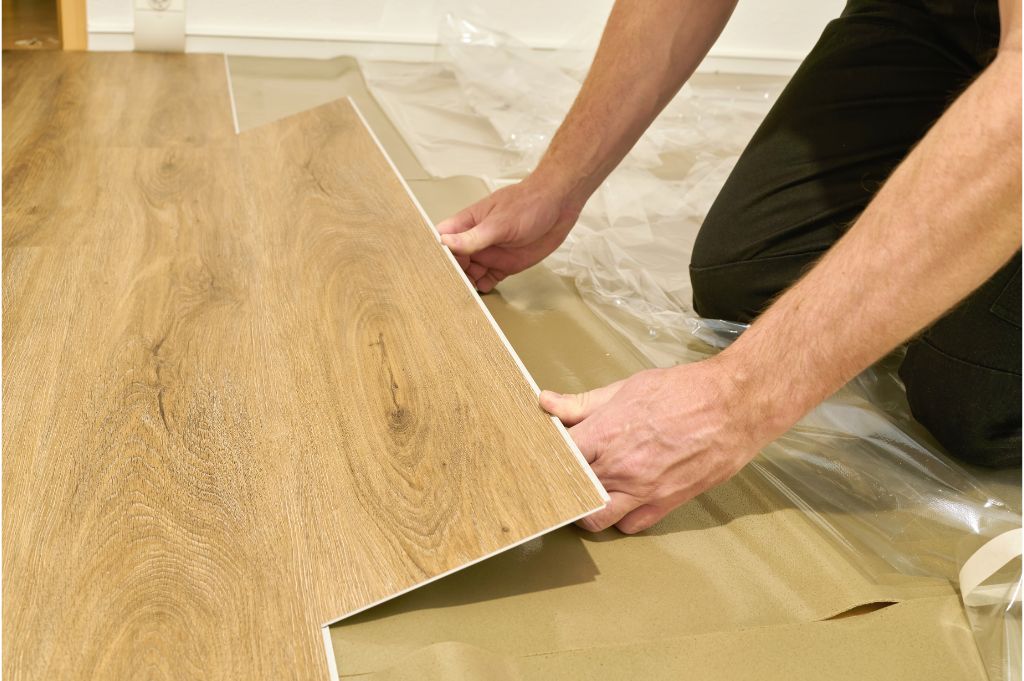
Environmental Impact: Navigating Sustainability Concerns
Vinyl floors’ widespread appeal often clashes with concerns about sustainability, pushing you to weigh aesthetic and practical benefits against environmental costs. Low production expenses come at a price—often involving non-renewable materials and pollutants. Navigating this complex landscape means understanding the lifecycle of vinyl—from how it’s manufactured to how it’s disposed of—and exploring greener alternatives that minimize your ecological footprint without sacrificing the style and durability you expect.
Production and Disposal Footprint of Vinyl Floors
Manufacturing vinyl floors involves petrochemicals and plasticizers, contributing to a significant carbon footprint and the release of volatile organic compounds (VOCs). Disposal poses challenges, as vinyl is not biodegradable and often ends up in landfills where it can leach harmful substances over decades. Recycling infrastructure remains limited, meaning that your choice of vinyl flooring could indirectly add to long-term environmental pollution unless managed responsibly.
Exploring Eco-Friendly Vinyl Options
You can find more sustainable vinyl floors designed with recycled content and lower VOC emissions, helping reduce your environmental impact. Some manufacturers incorporate post-consumer recycled vinyl or bio-based plasticizers, which improves eco-credentials without compromising durability and style. Certifications like FloorScore or GREENGUARD signal products meeting strict indoor air quality standards, guiding you toward healthier choices.
Eco-friendly vinyl options typically involve integrating recycled PVC scrap and alternative phthalates to reduce reliance on harmful chemicals. Innovations in manufacturing have led to floors that meet rigorous sustainability benchmarks, such as reduced emissions during installation and longer life spans, which reduce replacement frequency. Brands like Armstrong and Tarkett offer ranges including 30-50% recycled content, striking a balance between performance and environmental stewardship. Leveraging these products lets you maintain the look and resilience vinyl flooring offers while aligning your remodeling choices with contemporary green building practices.
Smart Investment: Cost Benefits and Considerations
You’ll find that vinyl floors offer strong cost advantages without compromising style or durability. Their affordability paired with low maintenance reduces both upfront and ongoing expenses. Choosing vinyl also minimizes the need for costly repairs or replacements over time, making your flooring purchase a savvy financial decision that balances budget with lasting value.
Initial Costs vs. Long-Term Value of Vinyl Flooring
Vinyl floors typically cost between $2 and $7 per square foot for materials, plus installation fees, placing them on the lower end of the flooring cost spectrum. You save not only on the initial purchase but also through their resistance to scratches, stains, and moisture damage, resulting in fewer repairs. This practical durability ensures your investment retains its worth far beyond installation.
Cost Comparison with Other Flooring Types
Vinyl flooring often comes out ahead when compared to hardwood, tile, carpet, and laminate, especially when you consider installation and upkeep costs. For instance, hardwood may start at $8 per square foot and require refinishing, while tile demands expensive grout sealing and higher installation expertise. Vinyl provides an attractive balance of cost, ease, and longevity. This cost dynamic becomes clearer when detailed in the table below:
|
Flooring Type |
Average Cost per Square Foot |
|
Vinyl Flooring |
$2 – $7 |
|
Hardwood |
$8 – $15 |
|
Tile |
$5 – $10 |
|
Carpet |
$3 – $6 |
|
Laminate |
$3 – $8 |
- Vinyl often provides similar aesthetic appeal at a fraction of the cost.
- Installation tends to be faster and less labor-intensive.
- Maintenance requirements are minimal, reducing associated expenses.
- Durability helps you avoid replacement costs for many years.
- This makes vinyl floors a budget-friendly option without sacrificing quality.
Final Words on Vinyl Floors: What You Need to Know
Following this, you now understand that vinyl floors offer a versatile and durable option for your home. By weighing the pros and cons of vinyl flooring, selecting the right types of vinyl flooring, and considering vinyl plank flooring durability, you can make an informed decision that suits your style and needs. Whether you want resilience or aesthetic appeal, vinyl floors provide practical benefits that enhance your space. Trust your judgment and the expertise of Toscana Remodeling to guide you toward a flooring choice that stands the test of time.
FAQ About Vinyl Floors by Toscana Remodeling
Q: What are the pros and cons of vinyl flooring?
A: Vinyl floors have several advantages including affordability, water resistance, and ease of maintenance. They are softer and warmer underfoot compared to tile or hardwood.
Q: How durable is vinyl plank flooring compared to other flooring options?
A: Vinyl plank flooring is quite durable and is designed to withstand everyday wear and tear, making it a popular choice for high-traffic areas. It resists scratches, stains, and moisture better than many other flooring types. However, its lifespan can vary depending on the quality and installation.
Q: What are the different types of vinyl flooring available?
A: There are primarily three types of vinyl flooring: vinyl sheet, vinyl tile, and vinyl plank. Vinyl sheet is a continuous, flexible sheet that offers a seamless look and is great for moisture-prone areas.
Q: Can vinyl floors be installed over existing flooring?
A: Yes, vinyl floors can often be installed over existing flooring such as hardwood, tile, or concrete, provided the surface is clean, dry, and level. This makes vinyl a convenient option for remodeling projects.
Q: How should vinyl floors be maintained to maximize their lifespan?
A: Maintaining vinyl floors involves regular sweeping or vacuuming to remove dirt and grit that can cause scratches. Cleaning with a damp mop using a vinyl floor cleaner or mild detergent helps keep the surface looking fresh.
Ready to upgrade your space with durable, stylish vinyl floors? Contact Toscana Remodeling today for a free consultation and see how we can bring lasting beauty to your home. Let’s turn your vision into reality—starting from the floor up!
Also read:
10 Biggest Mistakes to Avoid in Your Custom Home Renovation Project
25 Fresh Basic Bathroom Decor Ideas: Simple Hacks That Work
Commercial Kitchen Remodel: 9 Essential Upgrades for an Efficient Renovation