
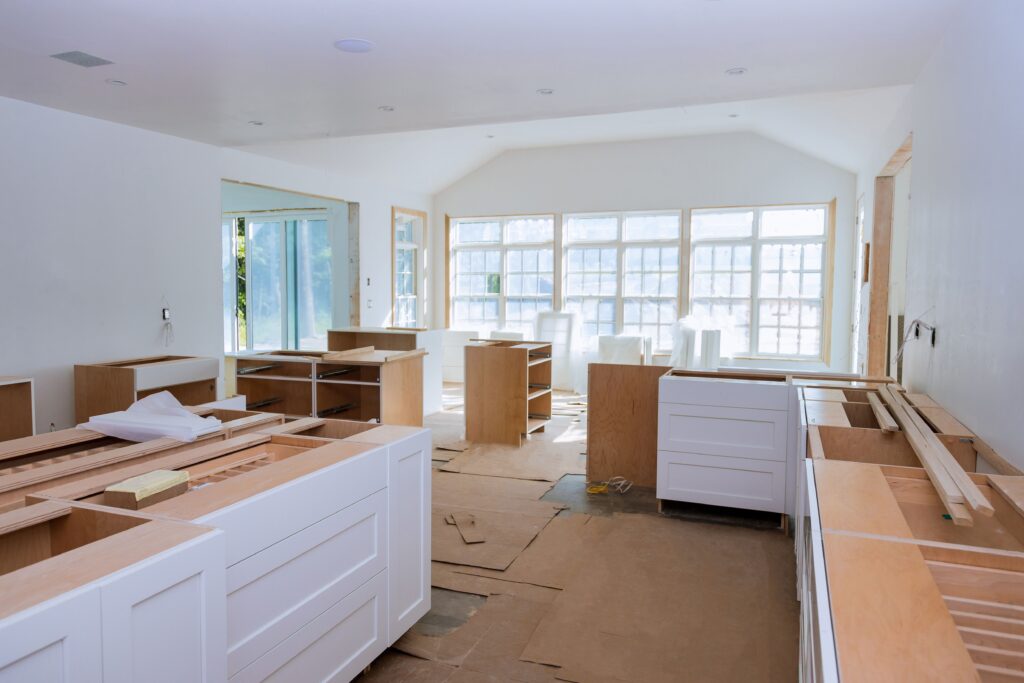
A mistake you can make is underestimating layout, storage and lighting needs; at Toscana Remodeling you should plan circulation, realistic budgets and timelines to avoid kitchen renovation mistakes when remodeling a kitchen or doing home kitchen remodeling—our advice helps you detect a kitchen remodeling mistake early and protect your investment.
Key Takeaways:
- Failing to plan layout and workflow leads to common kitchen renovation mistakes; prioritize triangle flow, prep zones, and clear sightlines.
- Underestimating budget and hidden costs is a frequent kitchen remodeling mistake—include contingencies, permit fees, and appliance allowances.
- Hire experienced pros when remodeling a kitchen to avoid structural, electrical, and plumbing issues that cause delays and extra expense.
- In home kitchen remodeling, balance aesthetics with durable materials, proper lighting, and ample storage to improve long-term value and function.
Designing Without a Plan: The Blueprint Blunder
The Cost of Skipping the Design Process
Skipping design turns a single kitchen remodeling mistake into cascading costs: rework often adds 10–30% to your budget and can extend timelines by 4–12 weeks. Typical US kitchen remodels range $25,000–$75,000, so superficial planning can cost you $5,000–$20,000 in change orders, permit delays, or appliance misfits. Toscana Remodeling sees projects where vague layouts caused plumbing relocations alone to exceed $8,000, a common result of kitchen renovation mistakes when remodeling a kitchen in an older home.
Essential Elements of a Comprehensive Kitchen Plan
Effective plans nail layout, the work triangle (12–26 feet total), standardized counters at 36 inches, island clearances 36–48 inches, lighting layers, ventilation CFM for your cooktop, electrical capacity, plumbing locations, appliance specs, storage solutions, material selections, permits, a phased timeline and a 10–15% contingency. You get measurable decisions—appliance dimensions, cabinet run lengths, and finish samples—so home kitchen remodeling proceeds without guesswork or costly onsite changes.
For deeper clarity, Toscana Remodeling uses scaled floor plans, 3D renderings, and an itemized spec sheet that lists appliance model numbers, cabinet elevations, finish codes, and electrical/plumbing diagrams. Your plan includes permit drawings, a milestone schedule (design, demolition, rough-in, finishes), and a cost breakdown with allowances; in past projects this methodology reduced on-site change orders by over 60%, preventing the common pitfalls of kitchen renovation mistakes during remodeling a kitchen or broader home kitchen remodeling efforts.
Underestimating Budget: The Financial Pitfall
Underestimating budget is a common kitchen remodeling mistake that turns well-planned designs into stalled projects; industry surveys show many renovations exceed estimates by 10–20%. If you fail to itemize permits, structural repairs, or upgraded appliances, unexpected fees—permit costs $200–$2,000, plumbing/electrical surprises $500–$5,000—can blow your numbers. Toscana Remodeling recommends planning for mid-range remodels at $25,000–$50,000 and high-end projects north of $60,000 to avoid cutting finishes or delaying your home kitchen remodeling timeline.
Hidden Costs That Wreck Your Budget
Permits, asbestos or lead remediation, and unforeseen structural fixes often inflate remodeling a kitchen beyond initial bids. You might budget for new cabinets but encounter floor joist repairs ($1,500–$6,000) or a gas-line reroute ($800–$2,500). Designer upgrades and high-end appliance swaps add 5–15%, while change orders typically tack on 10–25%. Toscana Remodeling sees these kitchen renovation mistakes frequently; auditing potential line items up front prevents them from wrecking your budget.
How to Create a Realistic Kitchen Remodeling Budget
Start with a detailed spreadsheet allocating roughly 30–40% to cabinets, 10–15% to countertops, 10–15% to appliances, 25–35% to labor, and a 15–20% contingency for surprises. Get three bids from licensed contractors, confirm permit fees, and lock selections (cabinet style, countertop material) before ordering to minimize change orders. Toscana Remodeling advises milestone-based payments and weekly budget tracking to keep this kitchen remodeling mistake from derailing your project.
For a $40,000 mid-range remodel, plan about $14,000 for cabinets, $5,000 for countertops, $6,000 for appliances, $12,000 for labor, and $3,000–$6,000 as contingency; phasing work—cabinets first, appliances later—can spread costs. Request allowance-based bids that separate material and labor, require written change-order policies, and explore 0% financing or a home equity line to cover surprises. These steps help you avoid common kitchen renovation mistakes and deliver a smoother Toscana Remodeling experience.
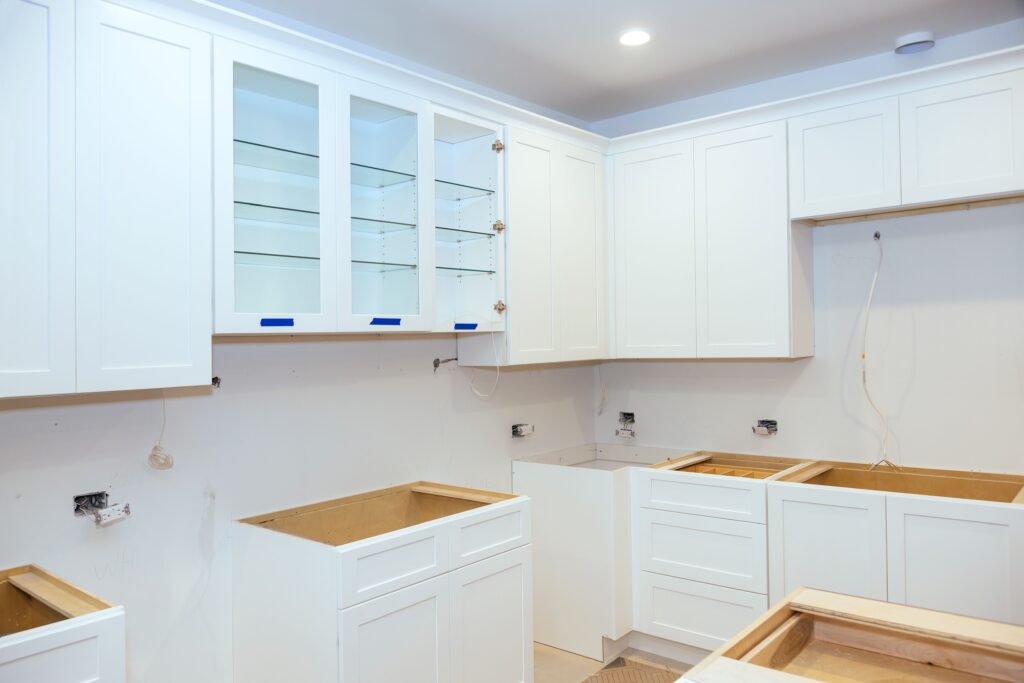
Ignoring Workflow Efficiency: The Functional Flaw
You often focus on finishes and forget that poor workflow is the single biggest kitchen remodeling mistake that turns beautiful spaces into frustrating ones. Aim for functional distances: appliances and prep zones should follow practical rules so you don’t add unnecessary steps during cooking. Toscana Remodeling finds that respecting clearances and placement early prevents costly rework later in remodeling a kitchen or broader home kitchen remodeling projects.
The Importance of the Work Triangle in Kitchen Design
Design the sink, stove and refrigerator so each leg measures 4–9 feet and the total of the three sides stays between 13–26 feet; exceeding those ranges increases wasted motion. You’ll reduce prep time and traffic conflicts by positioning primary appliances on a compact triangle, especially important when remodeling a kitchen for two cooks or when adding an island to the plan.
Common Layout Mistakes That Compromise Efficiency
Blocking aisles with an oversized island, leaving less than 36 inches for a single cook (42–48 inches preferred for multiple cooks), and placing the fridge opposite the oven are frequent kitchen renovation mistakes. You should avoid locating the microwave above a high fridge or tucking the sink in a corner where counter space is insufficient for prep and cleanup during home kitchen remodeling.
Practical fixes you can implement include shifting the island to provide a 42-inch work aisle, relocating the fridge 2–3 feet to clear swing paths, and consolidating prep space next to the sink. Toscana Remodeling often documents reductions in cross-kitchen traffic after these changes, turning a formerly inefficient layout into one that supports real cooking routines without sacrificing style.
Overlooking Lighting: The Ambiance Oversight — Toscana Remodeling Insights
You may focus on cabinets and countertops, but poor lighting is a frequent kitchen remodeling mistake that ruins function and mood. In Toscana Remodeling projects, neglecting layered lighting turns remodeling a kitchen into a showpiece that fails under real use; mismatched color temperature, low CRI, or single-source light create glare, bad shadows, and faded finishes. Address lighting in design to avoid common kitchen renovation mistakes during home kitchen remodeling timelines.
How Poor Lighting Choices Affect Usability
Shadows and low illuminance slow prep and increase safety risks; aim for 300–500 lux (≈28–46 fc) on work surfaces to match task needs. Low-CRI fixtures (under 80) distort food and surface colors, complicating cooking and finishes. Separate circuits for ambient and task lighting so you can run bright prep lights without lighting the whole room, reducing energy use and improving adaptability during different activities.
Tips for Effective Layered Lighting in Kitchens
Use three layers: ambient (recessed or pendant), task (under-cabinet LED strips delivering 300–500 lux), and accent (cabinet interiors, toe-kicks) to give you flexibility; pick 2700K–3500K LEDs (3000K often works well) and CRI 90+ for true color. Hang pendants 30–36 inches above an island countertop and space them 12–18 inches apart for even coverage, avoiding the common kitchen renovation mistakes that happen when lighting is an afterthought in remodeling a kitchen.
Plan controls and lumen targets during design: map ambient, task, and accent to separate switches or smart scenes so you can switch from bright prep light to dim entertaining light instantly. Specify lumen outputs—roughly 1,000–2,000 lumens for island fixtures depending on size—and choose CRI 90+ LEDs to preserve finishes and food appearance; doing this prevents flat, single-level lighting in your home kitchen remodeling.
- Ambient: 4–6 recessed LEDs spaced to cover a 150–200 sq ft kitchen evenly
- Task: continuous under-cabinet strips positioned 1–2 inches from the front edge for shadow-free counters
- Accent: cabinet interior or toe-kick lighting at 5–10 lm/ft to add depth and highlight surfaces
- After installation, program scenes (cooking, prep, entertaining) and label switches so you and future owners can use the system correctly
Choosing Trends Over Timelessness: A Costly Kitchen Remodeling Mistake
The Risks of Following Fads in Kitchen Design
Trends cycle every 3–7 years, so when you chase a flashy look—matte black appliances, neon backsplashes, or full open shelving—you risk a dated kitchen and narrower buyer interest; following fads is one of the most common kitchen renovation mistakes. Social-media-driven choices that appeal to influencers often require another remodel within a decade, and redoing a backsplash or specialty finish can cost several thousand dollars, undoing savings from an initial lower bid.
Balancing Personal Style with Long-Term Value
Toscana Remodeling suggests you use a 60/40 rule: 60% timeless elements (neutral cabinetry, quartz counters, classic hardware) and 40% removable personal touches (paintable islands, pendant lights, trend tiles). That approach prevents a costly misstep while remodeling a kitchen, keeps resale appeal high during home kitchen remodeling, and helps you avoid repeat kitchen renovation mistakes down the line.
Choose durable, neutral cores—shaker cabinets, quartz at $50–$100/ft² installed, and timeless plumbing fixtures—and allocate the 40% to changeable accents like tile, cabinet fronts, or light fixtures ($100–$500 each). Clients who replaced only accents after five years typically spent a fraction of a full redo, demonstrating how small, targeted updates preserve your style without sacrificing long-term value.
Conclusion — Toscana Remodeling
Taking this into account, you can avoid a costly kitchen remodeling mistake by planning traffic flow, storage, and lighting with Toscana Remodeling guiding your decisions; addressing common kitchen renovation mistakes up front saves time and budget when remodeling a kitchen. When you balance functionality and style, your home kitchen remodeling will deliver lasting value and fewer surprises.
FAQ
Q: What is the single most common kitchen remodeling mistake homeowners make?
A: The most common kitchen remodeling mistake is underestimating planning and budget needs. Many start without detailed drawings, accurate material costs, or contingency funds, which leads to scope creep, delayed timelines, and overspending.
Q: How do poor workflow and layout choices become kitchen renovation mistakes?
A: Ignoring work flow—placement of sink, stove, and refrigerator—creates inefficient kitchens that impede daily tasks. A flawed layout increases trips across the room, reduces usable counter space, and can force costly structural changes later.
Q: Can skimping on lighting and ventilation hurt the project when remodeling a kitchen?
A: Yes. Inadequate lighting and ventilation are frequent oversights when remodeling a kitchen; they affect safety, food prep quality, and comfort.
Q: What storage and material selection errors occur in home kitchen remodeling?
A: Underestimating storage needs and choosing low-quality materials are typical home kitchen remodeling pitfalls. Shallow cabinets, poor drawer organization, and materials that wear quickly lead to frustration and replacement expenses.
Q: Why is hiring the wrong team a kitchen remodeling mistake, and how can Toscana Remodeling help?
A: Hiring inexperienced contractors or skipping permits creates safety, compliance, and warranty problems—another frequent kitchen remodeling mistake. Toscana Remodeling provides licensed professionals, pulls necessary permits, and manages subcontractors to ensure code compliance and high-quality results.
Avoiding a kitchen remodeling mistake can save you time, money, and stress. Discover the biggest pitfalls homeowners face and learn how to remodel with confidence. Read the full guide now to transform your kitchen the right way!
Also read:
Is It Cheaper To Buy a House or Do a Whole Home Remodeling?
10 Biggest Mistakes to Avoid in Your Custom Home Renovation Project
Affordable Kitchen Renovations: Best Budget-Friendly Ideas to Refresh Your Space in 2025