
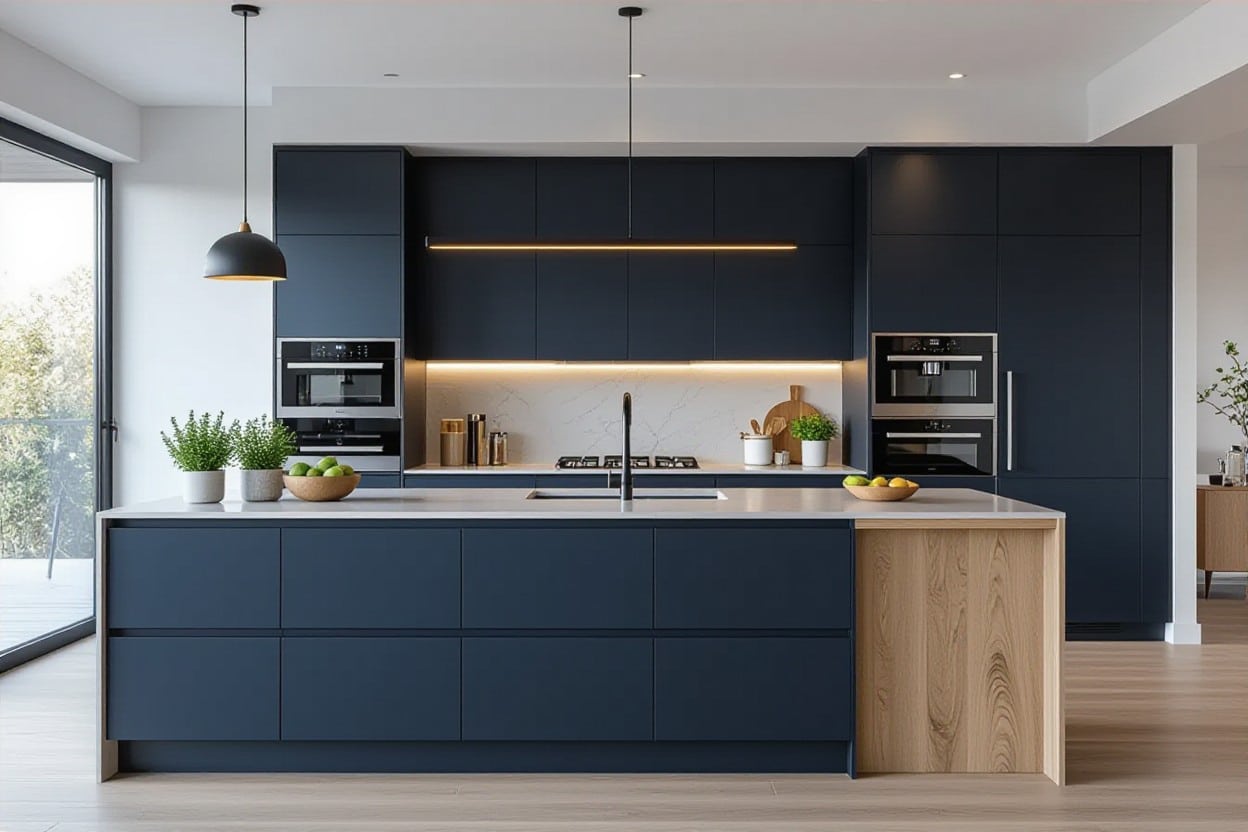
Investing in a kitchen remodel is a major decision for any homeowner. Because cabinetry often consumes the largest portion of a remodeling budget, understanding the longevity of your investment is essential.
How long do kitchen cabinets last? On average, high-quality kitchen cabinets last between 15 to 50 years. The exact lifespan depends heavily on the materials used, construction quality, environmental factors such as humidity, and how well they are maintained over decades of daily use.
Key Factors That Determine Kitchen Cabinets Lifespan
Not all cabinetry is engineered equally. Several critical variables dictate whether your storage solutions will endure for five years or fifty years.
1. Cabinet Materials and Construction Quality
The foundational elements of your kitchen cabinets dictate their ultimate durability.
- Solid Wood: Premium hardwoods like oak, maple, and cherry offer maximum longevity, often lasting 30 to 50 years.
- Plywood: High-grade plywood boxes resist moisture and sagging better than cheaper alternatives, providing a 20- to 30-year lifespan.
- MDF and Particleboard: Medium-density fiberboard and engineered wood are cost-effective but highly susceptible to water damage, with a typical service life of 10 to 15 years.
2. Hardware and Component Durability
Cabinet boxes may survive, but the cabinet hardware often fails first. Heavy-duty, soft-close hinges and undermount drawer glides protect the wood’s structural integrity by preventing forceful slamming.
3. Daily Wear, Tear, and Environmental Exposure
Kitchens are high-traffic environments subject to heat, steam, and grease. Cabinets situated directly above the stovetop or adjacent to the dishwasher face elevated moisture levels, which can degrade finishes and warp wood over time.
Lifespan Comparison by Cabinet Types
| Cabinet Category | Average Lifespan | Pros | Cons |
| Custom Cabinets | 30 – 50 Years | Tailored fit, premium hardwoods, maximum durability | Higher upfront cost |
| Semi-Custom Cabinets | 20 – 30 Years | Mid-range pricing, solid structural integrity | Limited structural modifications |
| Stock Cabinets | 10 – 15 Years | Budget-friendly, quick availability | Lower-grade materials, prone to sagging |
Signs It’s Time to Replace Your Kitchen Cabinets
Sometimes, a simple aesthetic refresh isn’t enough. If your cabinetry exhibits any of the following symptoms, it is time to consider a full kitchen renovation.
Structural Sagging and Warping
If the cabinet shelves are bowing or the actual boxes are pulling away from the drywall, the structural integrity is compromised. This poses a safety hazard and cannot be fixed with a coat of paint.
Severe Water Damage and Mold
Because kitchens involve plumbing, leaks happen. If water has penetrated the base of your sink cabinet, causing the wood to swell, delaminate, or grow mold, a full replacement is required to protect your home’s indoor air quality.
Inefficient Layout and Lack of Functionality
Older kitchen designs often fail to optimize modern workflows. If your current layout lacks deep drawers, pull-out pantries, or functional corner storage, upgrading to custom cabinetry will drastically improve your daily routine.
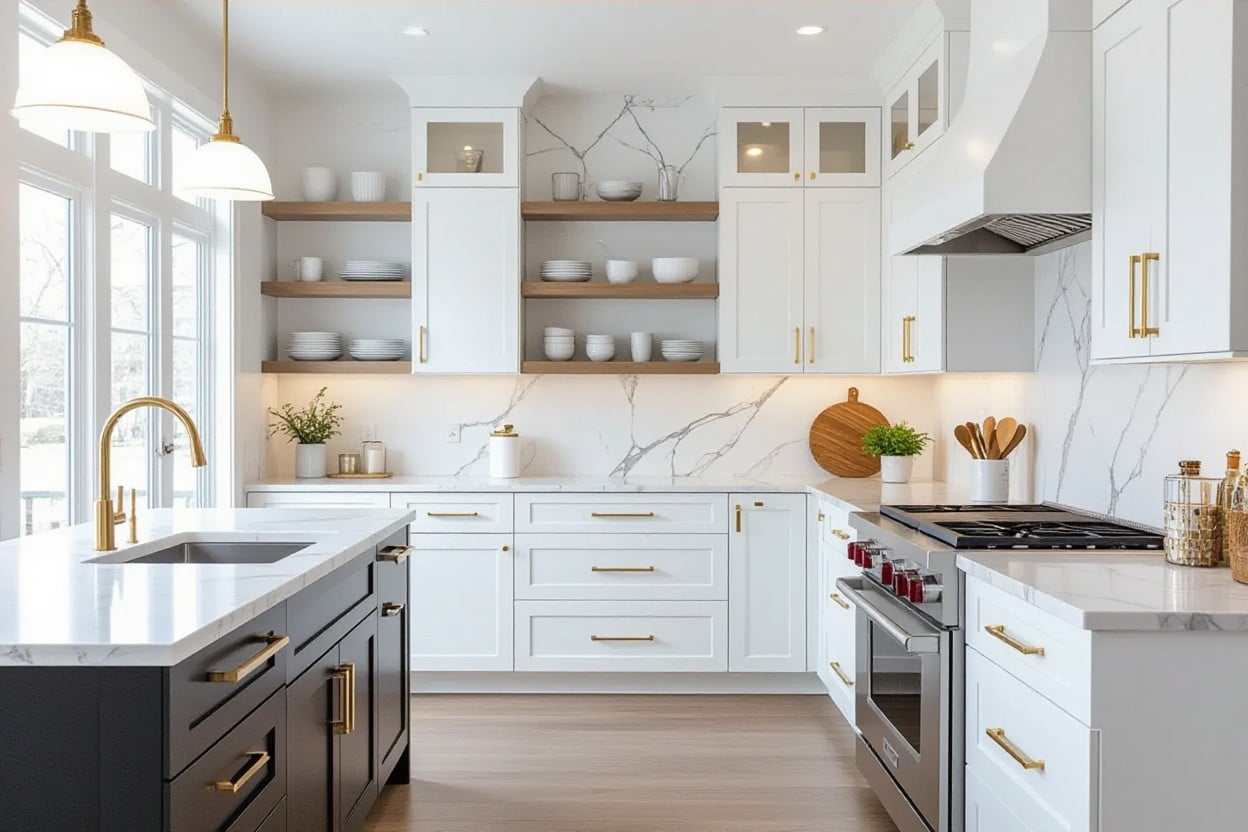
Expert Maintenance Tips to Extend Cabinet Longevity
To ensure you get the absolute maximum years out of your investment, implement these professional care practices.
- Control Interior Humidity: Keep your home’s humidity between 30% and 50% to prevent wood from expanding and contracting.
- Use Exhaust Fans: Always run your range hood while cooking to pull moisture, steam, and airborne oils away from upper cabinet doors.
- Clean Safely: Avoid harsh abrasive chemicals. Clean your kitchen cabinets using a soft microfiber cloth dampened with warm water and a drop of mild dish soap.
Section 5: Frequently Asked Questions (FAQs)
Is it cheaper to reface or replace kitchen cabinets?
Cabinet refacing is generally 30% to 50% cheaper than a full replacement because you retain the existing cabinet boxes. However, if the underlying structures are warped, damaged, or poorly laid out, refacing is a temporary fix that will not resolve core structural issues.
Can kitchen cabinets last 50 years?
Yes. High-end, custom-built kitchen cabinets made from premium solid hardwoods and marine-grade plywood can easily last 50 years or longer if they are properly maintained, kept dry, and occasionally refinished.
How often should you upgrade your kitchen cabinets?
Most homeowners choose to upgrade their cabinetry every 15 to 20 years. This timeline usually aligns with shifts in design trends, appliance upgrades, and natural wear on cabinet finishes.
Do painted cabinets last as long as stained wood?
Stained wood finishes tend to hide minor scratches and age better over time. Painted finishes look sleek but are more prone to chipping, visible cracking at wood joints due to temperature fluctuations, and the need for touch-ups every few years.
How do I know if my cabinets are made of real wood or MDF?
You can check the back panels or interior cutouts around hinges. Real wood features distinct, irregular grain patterns and growth rings. MDF appears completely smooth, uniform, and dense, often covered by a laminate or thermofoil veneer.
Transform Your Kitchen with Toscana Remodeling
When evaluating how long do kitchen cabinets last, the answer ultimately comes down to professional installation and material excellence. If your current cabinetry is showing its age, sagging, or failing to meet your storage needs, it is time for an upgrade that adds lasting value to your home.
At Toscana Remodeling, we specialize in sourcing and installing premium cabinetry designed to withstand the test of time. Whether you want to explore custom wood choices, modern storage innovations, or complete layout transformations, our expert design team is ready to bring your vision to life.
Contact us today to schedule your design consultation and build a kitchen that lasts for decades.